
Nature tour to China: in search of the mythical giant panda
The giant panda, one of the most captivating animals on our planet. For many years, it has been the very symbol of nature conservation and is extremely rare to spot in the wild. Spotting these extremely rare creatures is precisely the speciality of guide Jan Kelchtermans.

The giant panda, one of the most captivating animals on our planet. For many years, it has been the very symbol of nature conservation and is extremely rare to spot in the wild. Tracking down extremely rare species is precisely the speciality of guide Jan Kelchtermans. During this intensive expedition, we will traverse the unspoilt bamboo forests of Sichuan, with that single goal in mind. Naturally, we’ll also be paying attention to the other flora and fauna around us along the way, as the area is home to a wide variety of unique animal species that you’ll find almost nowhere else. This isn’t just any trip; it’s an expedition, a once-in-a-lifetime, an unforgettable experience that will (hopefully) take you to nature heaven.
→ THIS TOUR HAS NEVER BEEN OFFERED IN THE BENELUX BEFORE. OUR GUIDE, JAN, SCOUTED THIS TOUR IN 2024 AND IS ONE OF THE FEW BELGIANS TO HAVE OBSERVED GIANT PANDAS IN THE WILD. HIS KNOWLEDGE OF THE SPECIES IS A HUGE ASSET TO THIS TRIP.
An exceptional concept
This is not a typical nature tour, but a genuine expedition. We explore remote and rarely visited areas where pandas still roam freely. By walking through their habitat every day, we increase our chances of spotting them. The conditions can be challenging at times: long days, rugged terrain and cold temperatures are all part of the experience. But that is precisely what makes this experience so unique and intense. Anyone who spots a giant panda here knows they have witnessed something truly extraordinary.
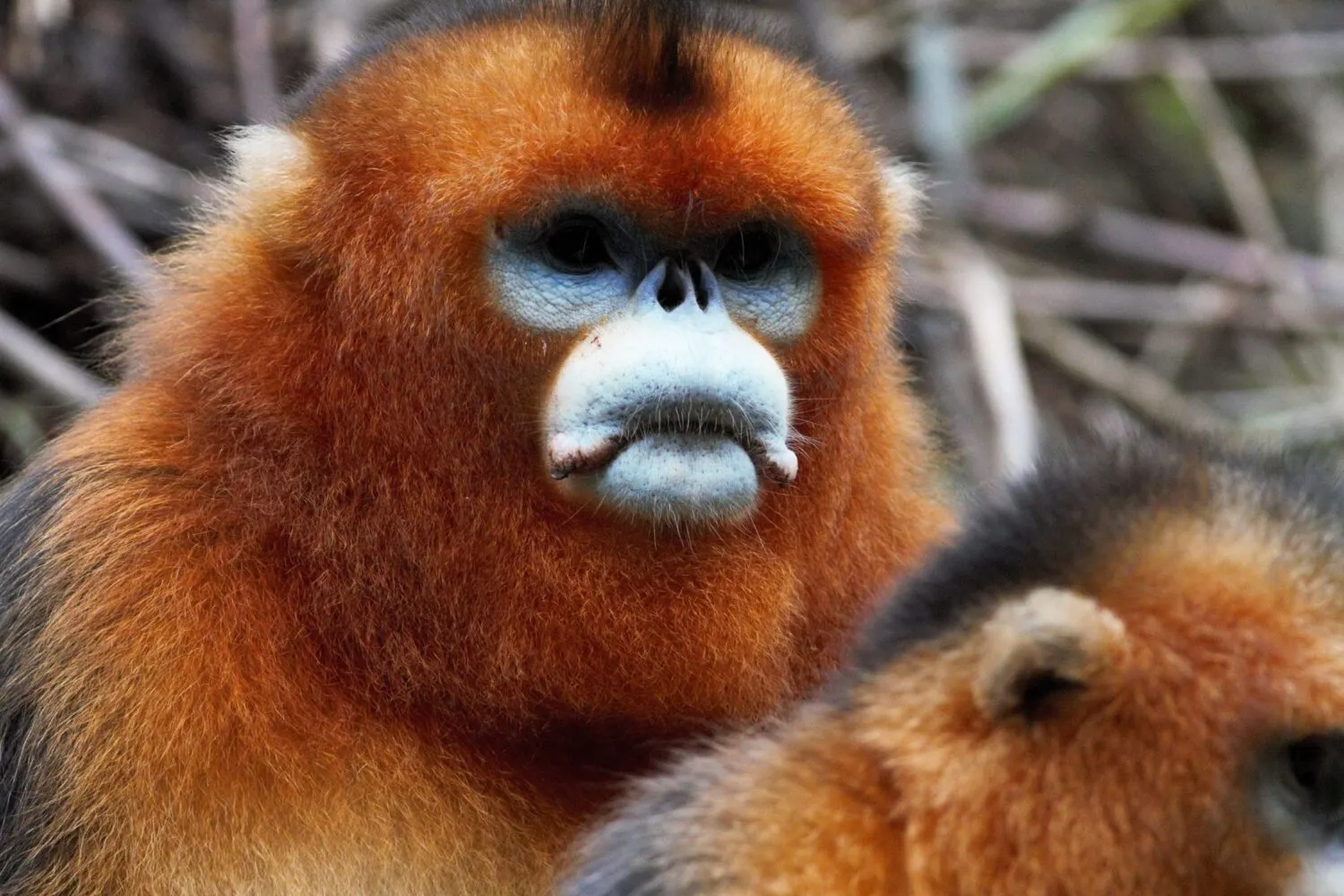
Sichuan Province is one of Asia’s most important biodiversity hotspots. Alongside the giant panda, red pandas, the rare golden snub-nosed monkey and other remarkable mammals such as the serow, goral and Asian black bear also live here. This area also has much to offer birdwatchers, including various species of pheasant and hardy woodland birds. Yet the focus remains clear: tracking down pandas in their natural habitat.

Flexibility and an authentic nature experience
As we are working with wild animals, flexibility remains essential. The itinerary is constantly adapted to recent sightings and the pandas’ movements. If we have early success, we can explore other areas. This approach ensures we make the most of our opportunities whilst enjoying an in-depth nature experience. A fixed route is not set in advance, allowing us to respond flexibly to recent sightings and conditions.
The panda as a symbol of hope
The panda became an endangered species at an early stage, mainly because its habitat in China’s bamboo forests was shrinking. As this problem was clear and understandable, the panda became a kind of ‘figurehead’ for broader environmental issues such as deforestation and loss of biodiversity.
One key reason for the panda’s fame as a symbol is that the WWF chose it as its logo in 1961. Since then, the panda has been associated with nature conservation worldwide. Moreover, the conservation of the panda is a success story: the population has grown and the species is no longer critically endangered but vulnerable. This demonstrates that nature conservation can work, which makes the panda an even stronger symbol of hope and recovery.

What makes this nature trip to China so special?
- This is an exceptionally unique journey made possible only by STARLING and the expertise of Jan Kelchtermans.
- Everyone knows the giant panda, but you’ll have the chance to be one of the very few to actually see it in the wild.
- As well as giant pandas, you’ll have the chance to see many other wonderful species.
- The natural beauty of Sichuan is reason enough in itself to join us.


Get to know your tour guide
Jan Kelchtermans is renowned for his exceptional skills in the wild. He possesses an inexhaustible knowledge of wildlife and knows how to apply the right techniques at exactly the right moment to spot them, whilst respecting their habitat and behaviour. He does not view his sightings as a prize, but as a reward. A reward for the patience and expertise required to make such sightings. Even after all these years, his heart still races when it happens, and he will undoubtedly let you experience the same.
Guided by
Is this nature trip to China something for you?
- You have a (great) passion for wildlife and are willing to do whatever it takes to see them.
- You have an adventurous spirit and love authentic experiences in nature.
- Spending whole days in the great outdoors doesn’t put you off.
- You’re fit enough to cover distances on challenging trails.
Gallery


Itinerary & Locations
Today we depart from our airport of choice to Chengdu.
Today you will arrive in Chengdu, where you will be met at the airport by the local expedition vehicles, guide and driver. We will then leave the city and drive to our base camp. On the way, we will have to cross two mountain passes, and the road may be blocked due to heavy snowfall. In that case, we may have to spend the night en route and continue our journey the following day.
Over the course of nine full days, we will walk along various trails in the panda habitat. The forest here is vast and there are many entry points. We will choose the best ones with the help of our local guide, who knows the area well. Every day, we will walk the trails and keep an eye out for giant pandas, hoping to spot (at least) one.
Every day we return to the hotel for dinner and the night’s rest to prepare for another day in the heart of the panda habitat.
Today we’re heading back to Chengdu for our flight back to Brussels or Amsterdam.